Why Goa Is Emerging as India’s Next Creative Entrepreneur Hu...
Over the years, Goa has been known as one of India's most sought-after holiday destinations, famous...
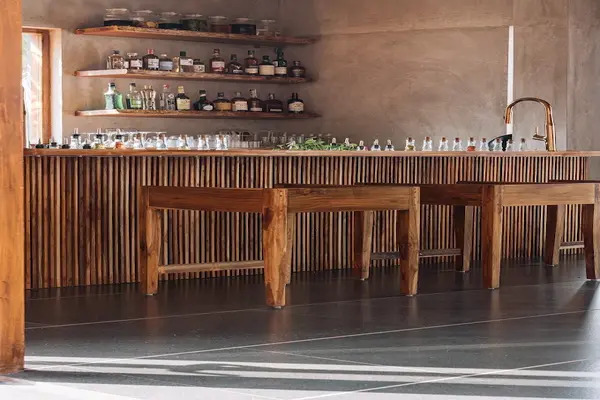


In a state like Goa, where the rhythm of life already runs slower than the cities most visitors come from, there’s something particularly deliberate—and refreshing—about a place that chooses to slow things down even more. Slow Tide isn’t just a name. It’s a philosophy, quietly anchoring a space that invites you to pause, breathe deeper, and experience life with a little more intention.
Tucked away from the noise but still easily accessible, Slow Tide isn’t trying to be a secret. It just prefers to be discovered naturally. And for those who find their way in, the reward is more than just a good meal or a stylish setting. It’s the feeling of landing in a moment that’s entirely your own.
It’s easy for cafés and creative spaces in Goa to blur together—especially as design trends and Instagram feeds often dictate moodboards more than actual purpose. But Slow Tide doesn’t seem interested in what’s trending. Its aesthetic is understated, built around clean lines, raw textures, open air, and generous light.
There’s no pressure to document the moment. You can, of course—but you won’t feel like you’re meant to. The space allows for solitude just as comfortably as it accommodates community. A long table for shared meals, quieter corners for introspection, low seating for slow mornings—it’s all arranged with an awareness of flow, not function alone.
What sets it apart is this quiet refusal to rush. Whether you arrive for a slow breakfast, a thoughtful drink, or simply a few hours of reading and observing, Slow Tide feels unintrusive, yet gently present. That balance is rare, and it’s what gives the place its charm.
If you’re expecting loud flavours or layered menus with dozens of complicated items, Slow Tide might take you by surprise. The food here is simple, precise, and ingredient-forward. It doesn’t try to impress—it tries to satisfy. And in doing so, it ends up doing both.
The menu flows with the day. Breakfasts are warm and filling but not heavy. Think sourdough with local eggs, roasted tomatoes, seasonal greens, soft cheese. Smoothies that are more nourishment than sugar. Bowls that don’t feel like they’ve been built for a photograph, but still look beautiful because they’ve been prepared with care.
Lunch and afternoon plates lean on locally sourced produce, grilled proteins, fermented accents, and generous grains. The food doesn’t hide behind spice or cream—it lets texture and freshness come through. That confidence in simplicity is perhaps the strongest thread running through the kitchen’s philosophy.
There’s also an ongoing dialogue with seasonality. The team doesn’t hesitate to tweak dishes depending on what’s best that week—meaning returning guests often find something new, without feeling like the place has changed.
Coffee at Slow Tide follows the same principles that guide its food. There’s no sense of performance—just solid sourcing, well-calibrated brewing, and attention to detail.
Beans are chosen for clarity, not trendiness. Roasts are medium to light, allowing the character of the bean to come through. Whether you order a flat white, a cold brew, or something pour-over based, the drink is made with intent—and served without a sense of hurry.
More importantly, coffee isn’t treated like a commodity here. It’s part of the experience. You’re welcome to stretch a single cup across an hour of silence or conversation. The cup becomes part of the table, part of your day. It’s this quiet integration into the larger atmosphere that makes it memorable.
Slow Tide is difficult to define in typical terms. It’s not just a café. It’s not quite a co-working space. And it doesn’t brand itself as a gallery, though creativity runs through it. What it does do, quite naturally, is hold space for different kinds of people—and different kinds of presence.
On any given day, you might find a writer editing a manuscript, a small group ideating over lunch, someone working remotely with headphones on, and others simply observing the trees as the day unfolds. What links them is the permission the space gives them to be as they are.
And that’s the deeper USP of Slow Tide—not the food or the setting, but the atmosphere of allowance. It’s a place where you don’t have to play a part. You can retreat or connect. Read or sketch. Do something, or nothing. And whichever you choose, it will feel welcome.
Slow Tide isn’t about excess. Its design language is minimal, conscious, and local. Instead of polished marble and imported décor, you’ll find reclaimed wood, cane, breathable fabrics, and native flora shaping the setting.
The layout favours openness—not just visually, but energetically. The air moves freely. The space doesn’t box people into assigned behaviours. This results in a natural flow, where guests move slowly, linger longer, and leave lighter.
Everything here—from the benches to the bowls—feels like it belongs. It’s not curated in a way that demands attention. It’s built in a way that supports presence.
Many places claim to offer community. Few do it without turning it into a spectacle. At Slow Tide, the community isn’t curated—it’s cultivated. It grows organically, through repeated visits, familiar faces, shared ideas, and silent understanding.
Conversations here tend to be reflective, not performative. People listen more than they interrupt. There are no aggressive networking pitches or forced activities. Just the ongoing presence of people who enjoy being in a space that feels balanced.
Sometimes there are gatherings—a reading, a tasting, a quiet celebration of craft—but they’re always subtle, always optional. Nothing here tries to turn you into a participant. And maybe that’s why people keep returning—because they don’t feel like they have to be anyone other than themselves.
What Slow Tide captures, perhaps unintentionally, is a lesser-seen side of Goa. One that isn’t trying to entertain, impress, or sell. It’s the Goa that still remembers how to pause. How to cook slowly. How to savour a moment without trying to capture it.
This version of Goa appeals to a different kind of traveller. Someone who comes not just to party or sightsee, but to reconnect—with themselves, with their rhythm, and with a more grounded way of living. For that person, Slow Tide becomes more than a café. It becomes part of their stay, part of the emotional map they carry back home.
Even the smallest details at Slow Tide reflect a kind of gentle sustainability. There are no big declarations, but choices are clearly made with care. Reusable materials. Limited plastic. Local suppliers. A commitment to tread lightly on both land and labour.
This ethos, though quiet, carries weight. It shows in the way the team moves, the way the place feels in the middle of the day, and the way people leave—usually slower than they came in.
And that’s what makes Slow Tide more than just another stop on the Goa café trail. It doesn’t just offer food or coffee or scenery. It offers a pace. A recalibration. A reminder that sometimes the best part of the journey is the part where you finally stop trying to get anywhere at all.
Premium service offered.
Premium service offered.
Premium service offered.
Premium service offered.
Committed to delivering the best experience with professional standards.
Specialized professionals with years of experience in the industry.
Personalized approach tailored to individual needs and preferences.
At Slow Tide, we are committed to providing exceptional service and value to all our customers. We strive to create a positive experience that exceeds expectations and builds lasting relationships within the community.
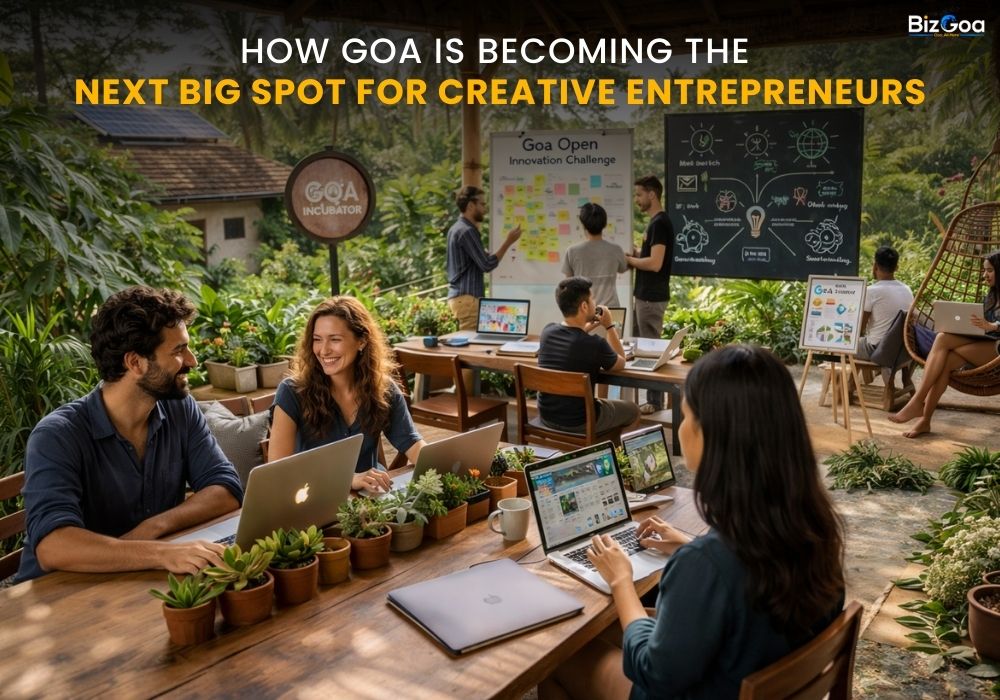
Over the years, Goa has been known as one of India's most sought-after holiday destinations, famous...

Not All Dental Problems Can Be Solved by a General Dentist. It’s been generally presumed that every...

It’s 2:07 AM. You’re lying in bed, trying to will yourself to sleep as a way to ignore the ache eman...